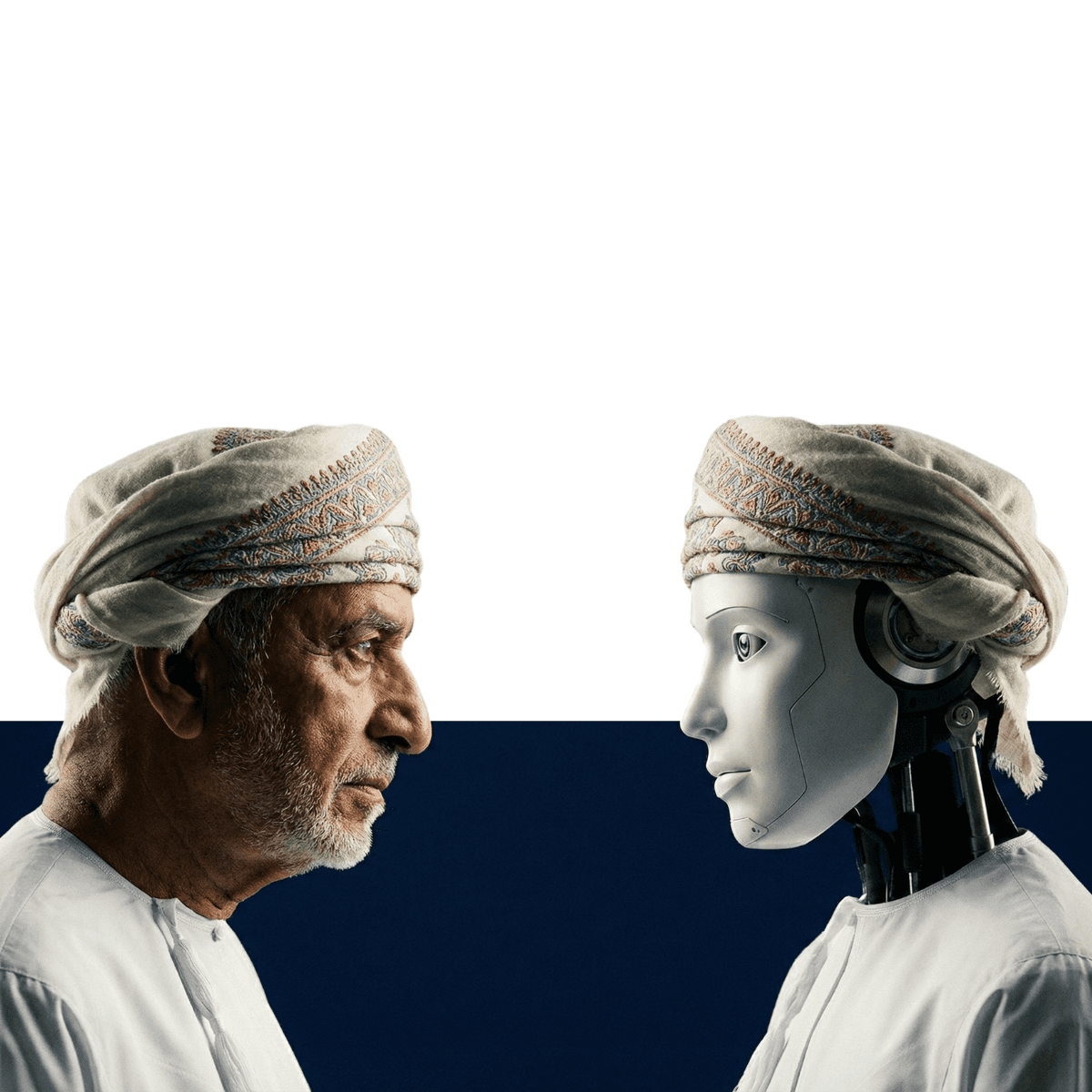
In the fast-paced world of business, the role of Human Resources (HR) is no longer confined to traditional administrative tasks like hiring and payroll. With the emergence of advanced technologies, specifically Artificial Intelligence (AI), the HR function is undergoing a fundamental transformation to become a true strategic partner in achieving an organization's goals.
The HR function has always dealt with vast amounts of data, from job applications and CVs to performance reviews and employee satisfaction surveys. This is where AI excels, serving as an unmatched tool for increasing efficiency and effectiveness. Instead of HR managers spending countless hours reviewing thousands of resumes, AI systems can analyze them in a matter of minutes, identifying the most suitable candidates based on required skills and experiences. This not only saves time and effort but also significantly reduces human bias.
However, the impact of AI extends far beyond simple recruitment. It's reshaping every aspect of the employee lifecycle:
Talent Acquisition and Selection: AI-powered recruitment systems use advanced algorithms to analyze and optimize job descriptions to be more appealing. They also provide tools for automated virtual interviews and skills assessments.
Training and Development: AI can analyze skill gaps within the workforce and recommend personalized training programs for each individual. For example, an AI system might suggest specific courses to an employee based on their performance reviews and future career path.
Performance Management: Instead of traditional annual reviews, AI can continuously analyze data to provide instant and accurate feedback on employee performance. This allows managers to intervene and offer support precisely when it's needed.
Predictive Analytics: AI algorithms can analyze employee data to predict turnover rates, allowing organizations to take proactive steps to improve the work environment and retain their top talent.
Administrative Tasks: AI contributes significantly to automating routine administrative tasks, such as answering employee inquiries via chatbots or processing leave requests. This frees up the HR team to focus on more strategic and impactful human-centric tasks.
It's crucial to emphasize, however, that AI is not a replacement for the human element in HR. Rather, it is an enabling tool. While AI excels at data analysis and fact-based decision-making, the human aspects—such as building relationships, resolving conflicts, and fostering company culture—still require human empathy and understanding.
Integrating AI into HR is not just a technological advancement; it's an investment in the future of work. It allows organizations to be more efficient, fair, and better equipped to meet the needs of the next generation of employees. Companies that intelligently adopt this technology will be the leaders in attracting, managing, and developing human talent, transforming HR from a support function into a powerful engine for growth and innovation.